Golf 7 TSI: Our Expert Review for Fuel Efficiency
Your Car's Heart: Comprehending Engine Operations
The engine functions as the central component of any vehicle, changing fuel into mechanical energy. It works through a series of precise cycles, converting air and fuel into power. Essential components work together seamlessly to deliver motion. However, many drivers miss the details of engine performance. Grasping these elements can greatly impact operation and longevity. What usual issues might occur, and how can they be fixed effectively?
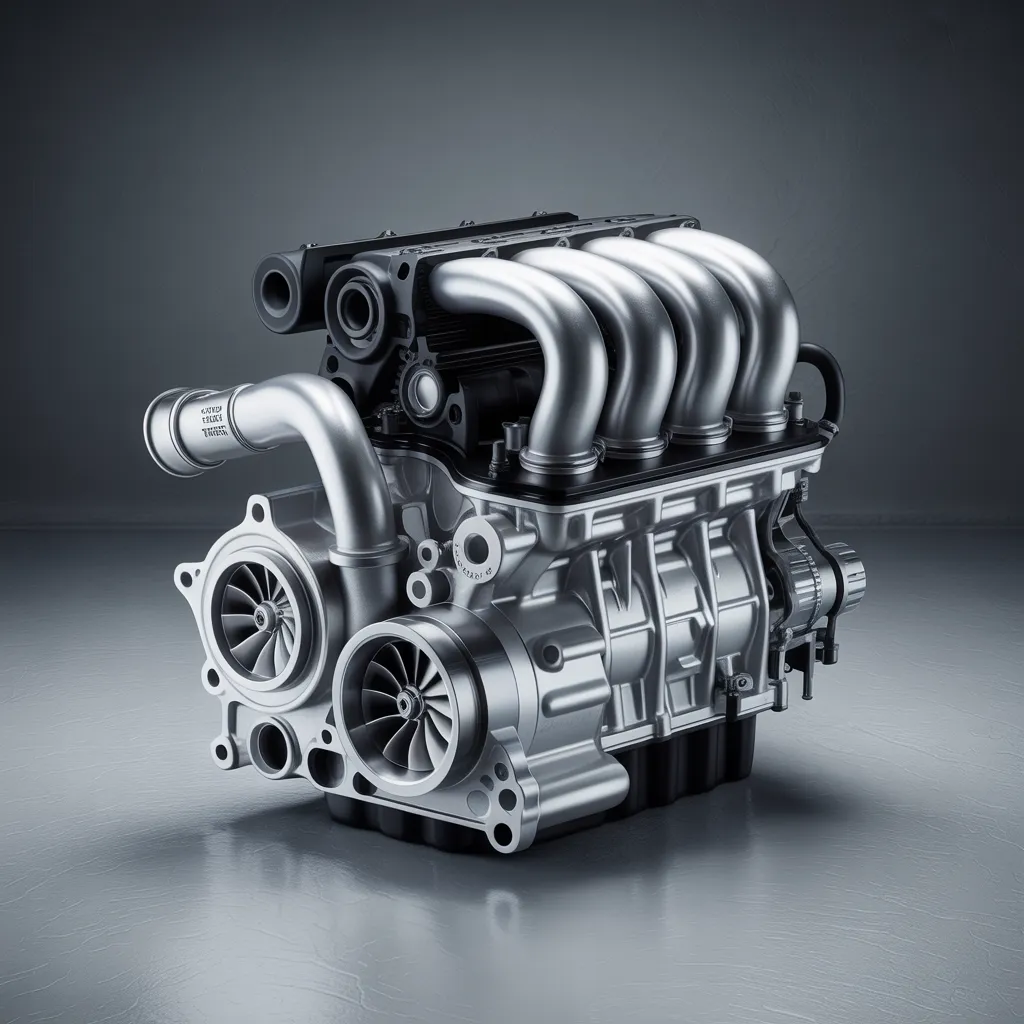
Regular Engine Concerns and Resolutions
Frequent engine problems can significantly impact vehicle performance and reliability. One widespread problem is overheating, often brought about by a malfunctioning thermostat or coolant leak. This can result in severe engine damage if not handled promptly. Another common issue is poor fuel efficiency, which may arise from clogged fuel injectors or a dirty air filter, affecting overall engine performance. Additionally, unusual noises, such as knocking or tapping, can suggest serious internal damage that requires immediate attention. Misfiring is another issue, often caused by faulty spark plugs or ignition coils, leading to rough idle and reduced power. Finally, oil leaks can undermine lubrication, causing increased wear on engine components. Regular maintenance, including oil changes and inspections, can help identify these concerns early and mitigate costly repairs. Resolving these typical engine issues promptly provides a more reliable and efficient vehicle operation.
The Key Elements of an Engine
A motor consists of several vital components that work together to drive its operation. Knowing these major parts is essential for appreciating how the engine cycle works effectively. Each component plays a unique role that contributes to the overall performance of the engine.
Major Engine Parts
Engines are sophisticated devices consisting of multiple critical elements that operate together to change fuel into mechanical power. At the core of an engine is the cylinder block, which houses the cylinders and provides structural integrity. Throughout the cylinders, pistons shift vertically, powered by the burning of fuel. The crankshaft transforms this linear motion into rotary motion, ultimately powering the vehicle. The camshaft, functioning together with the crankshaft, manages the timing of valve operations. Moreover, the intake and exhaust manifolds control the circulation of air and combustion byproducts. Backing these elements are the fuel system, providing fuel, and the cooling system, stopping overheating, maintaining maximum engine efficiency and lifespan.
Engine Operation Cycle
The engine operation cycle develops through a series of carefully timed processes that transform fuel into practical energy. This cycle is made up of four main strokes: intake, compression, power, and exhaust. During the intake stroke, the engine brings in a mixture of air and fuel. The compression stroke follows, during which the mixture is compressed to increase its potential energy. The power stroke combusts this mixture, driving the piston down and creating mechanical energy. Finally, the exhaust stroke expels the spent gases from the combustion chamber. Each stroke is essential, requiring accurate timing and coordination among components such as the pistons, crankshaft, and valves. This intricate cycle enables the effective transformation of fuel into motion, powering the vehicle forward.
How Fuel and Air Mix to Power Your Ride
Once fuel and air blend within the engine's combustion chamber, a specific chemical reaction takes place that generates the power required to propel a vehicle. This mixture is crucial; the proper ratio provides optimal performance. Typically, the ideal air-to-fuel ratio is around 14.7:1, meaning 14.7 parts air to one part fuel.
In modern engines, fuel injectors atomize the fuel, creating a fine mist that blends completely with incoming air. This process enhances combustion efficiency, permitting a more complete burn of the fuel. The air flows in through the intake chemical drain cleaner manifold, where it is filtered and regulated before reaching the combustion chamber.
As the piston compresses this mixture, it prepares for ignition, which is triggered by the spark plug. The resulting ignition creates rapid expansion of gases that drives the piston downward, ultimately converting chemical energy to mechanical energy and powering the vehicle forward.
How Combustion Impacts Engine Performance
Though combustion is frequently seen simply as the act of burning fuel, its effectiveness and effectiveness have a direct impact on engine performance. The combustion process converts fuel into energy, and the quality of this reaction defines how efficiently an engine performs. Ideal combustion happens when the fuel-air mixture ignites at the optimal moment and burns entirely, enhancing power output and minimizing waste.
Inefficient combustion can cause incomplete fuel burning, resulting in lower power and increased emissions. Variables such as fuel quality, engine design, and ignition timing play vital roles in achieving efficient combustion. For instance, advanced ignition systems can enhance the timing, guaranteeing that combustion occurs at the most advantageous point in the power cycle.
Ultimately, understanding how combustion influences engine dynamics enables improved tuning and maintenance, resulting in better performance and longevity of the vehicle.
Understanding Engine Cooling Systems
Effective engine cooling systems play an essential role in maintaining superior engine performance and longevity. These systems eliminate overheating, which can cause serious damage to engine components. The primary mechanism involves circulating coolant through the engine block, absorbing excess heat generated during fuel burning.
The coolant subsequently moves to the radiator, where it radiates heat into the surrounding air. This process is assisted by a water pump, which preserves coolant flow, and a thermostat that regulates temperature by governing coolant circulation.
Along with these components, cooling fans aid in airflow, particularly during low-speed situations or when the vehicle is stationary.
Well-maintained cooling systems also support fuel efficiency and emissions control. Consequently, understanding the complexities of engine cooling systems is vital for any vehicle owner seeking to ensure maximum engine health and performance over time.
Advice for Preserving Your Engine's Condition
Preserving an engine's health is vital for ensuring peak performance and longevity. Regular oil changes are important, as clean oil lubricates moving parts and reduces friction. Examining and replacing air filters helps sustain proper air intake, facilitating efficient combustion. Additionally, monitoring coolant levels stops overheating, which can result in severe engine damage.
Scheduled inspections of belts and hoses can identify wear and tear before they cause costly repairs. Keeping the engine clean from dirt and debris supports temperature regulation and performance. It is also suggested to use high-quality fuel to increase engine efficiency and minimize carbon buildup.
Last but not least, sticking to the manufacturer's maintenance schedule is vital for on-time servicing. By following these tips, vehicle owners can greatly extend their engine's lifespan while making certain it performs optimally and dependably.
Frequently Asked Questions
How Do Hybrid Engines Differ From Traditional Engines?
Hybrid powertrains merge an internal combustion engine with an electric motor, improving fuel efficiency and decreasing emissions. Conversely, traditional engines only rely on gasoline or diesel, lacking the electric component for energy conservation.
What Role Does Engine Oil Play in Performance?
Motor oil provides lubrication to moving components, minimizes friction, and disperses heat, improving total performance. It additionally cleanses engine parts and stops wear, guaranteeing durability and effectiveness in conventional and hybrid engine configurations alike.
How Can I Identify an Overheating Engine?
An engine could be experiencing overheating when the temperature gauge rises above normal, steam comes from the hood, or warning lights activate. Uncommon noises or power reduction can also suggest potential overheating issues.
How Do You Know If Your Engine Is Failing?
Symptoms of a failing engine include abnormal noises, reduced power, excessive exhaust smoke, poor fuel efficiency, warning lights on the dashboard, and overheating. These signs often indicate underlying mechanical concerns requiring immediate attention.
How Does Engine Displacement Influence Fuel Economy?
Motor size greatly affects fuel efficiency; larger engines typically consume more fuel due to higher power requirements. On the other hand, smaller engines often obtain better mileage, balancing performance and economy based on operating circumstances and vehicle design.